How Thailand is reshaping travel in 2026: wellness beyond the spa, sustainable choices and how Chiang Mai, Phuket, Koh Samui, Krabi and Bangkok fit in.
Please note: This article reflects Thailand's tourism plans as described when it was first published on 10 September 2026.
What does wellness travel in Thailand mean in 2026?
Wellness travel in Thailand in 2026 means trips built around rest, recovery and meaningful experiences rather than only beaches and nightlife. The Tourism Authority of Thailand promotes the idea that “Healing is the New Luxury” and invites visitors to reconnect with themselves, nature and local culture. Islands, temples and street food remain highlights, but more travellers now want to slow down and travel responsibly.
Luxury is being redefined. It no longer has to mean five-star hotels, private transfers and expensive rooms. For many travellers, real luxury now means:
- time to slow down and better sleep
- healthy food and emotional balance
- nature and silence
- authentic local encounters
- movement and meditation
- cultural experiences and personal wellbeing
Why is Thailand changing its tourism strategy?
Thailand is shifting its focus from visitor numbers to the quality of travel. The Tourism Authority of Thailand calls this approach “Value over Volume”: tourism should create stronger economic value, benefit more communities and support long-term sustainability. For travellers, this means more emphasis on authentic, personal and responsible experiences instead of simply ticking off famous sights.
Many visitors now look for wellness retreats, local food, soft adventure, nature, culture, small communities, ethical tours and places that are not overwhelmed by mass tourism. Thailand's 2026 tourism direction also links wellness with what it calls the Life Economy, strengthening the country's position in wellness and medical tourism.
Thailand is well placed for this trend. It has a long tradition of massage, herbal treatments, meditation, spiritual places, healthy cuisine, hot springs, nature retreats and hospitality.
What does wellness in Thailand include besides spa and massage?
Wellness in Thailand goes far beyond the famous Thai massage, which is offered almost everywhere, from simple local shops to luxury hotel spas. Visitors can combine deep relaxation by the sea with active wellness such as sport, hiking or martial arts, choose temples and meditation for spiritual calm, or book high-end wellness clinics, longevity programmes and medical services.
Typical wellness experiences in Thailand include:
- yoga retreats and meditation stays
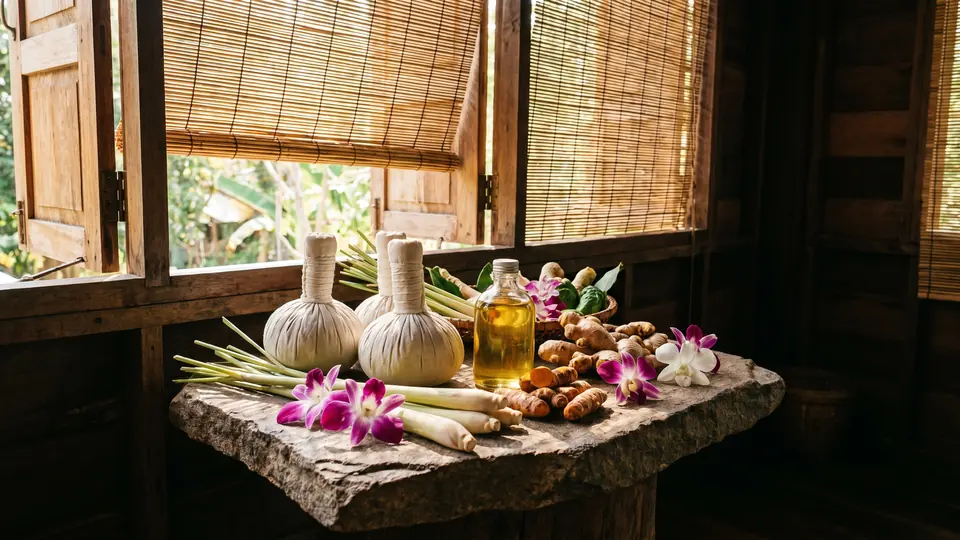
- herbal steam treatments and detox programmes
- Muay Thai training
- healthy Thai cuisine
- hot springs and forest walks
- island relaxation
- spiritual experiences
- medical wellness
- sleep-focused retreats and digital detox holidays
How can you travel sustainably in Thailand?
Sustainable travel in Thailand does not require a completely different way of travelling, only better choices. Stay longer in fewer places, support local businesses, avoid unethical animal attractions and respect temples and local customs. Thailand's 2026 strategy aims for higher-quality, value-led tourism with stronger benefits for destinations and communities, and travellers gain quieter places and closer contact with local people.
Practical ways to travel more sustainably:
- stay longer in fewer places
- choose responsible tour operators
- eat at local restaurants and support family businesses
- avoid unethical animal attractions
- reduce plastic waste and use refill bottles where possible
- respect temples and local customs
- visit secondary destinations
- choose community-based tourism
- book accommodation with real sustainability efforts
Why is Chiang Mai a model for sustainable tourism?
Chiang Mai combines culture, mountains, temples, food, handicrafts, creative communities and nature, which makes it a natural choice for mindful travel. Thailand's official tourism communication describes the Chiang Mai Prototype project as an initiative to turn Chiang Mai into a world-class sustainable destination for environmentally conscious travellers. The city also suits digital nomads and long-stay visitors who prefer a calmer rhythm than Bangkok or Phuket.
Experiences that fit a mindful stay in Chiang Mai:
- visiting temples respectfully
- exploring local craft villages
- joining a cooking class
- spending time in mountain communities
- choosing ethical nature tours
- staying in boutique guesthouses
- slow travel in the old city
- combining wellness with culture
Phuket, Koh Samui or Krabi: which suits your wellness style?
Phuket, Koh Samui and Krabi are no longer only about beaches and nightlife. Phuket is strong for premium infrastructure, with luxury resorts, spa hotels, fitness retreats, yoga centres and medical wellness. Koh Samui has a long-established scene for yoga, detox retreats and quiet beaches. Krabi suits nature lovers, with limestone cliffs, islands and jungle for kayaking, hiking and island hopping.
Koh Samui works well for couples, solo travellers and long-stay visitors who want a slower pace. In Krabi, outdoor experiences and quiet relaxation go hand in hand. The right choice depends on the travel style you are looking for.
Can Bangkok be a wellness destination?
Yes, in an urban way. Bangkok is busy, loud and intense, but it also offers high-quality spas, healthy restaurants, design hotels, rooftop pools, meditation centres, green parks, river experiences and Michelin-recognised dining. A balanced day might start with a temple visit, continue with a Thai massage in the afternoon and end with a river walk at sunset and a quiet dinner.
Bangkok is also one of the best places to experience Thailand's food culture. For many travellers, wellness is not only about spa treatments but also about good food, local flavours and a slower rhythm in a large city.
Which local experiences can replace mass tourism?
More and more travellers want stories, people and atmosphere instead of quick photo stops. Local experiences help visitors understand where they are and spread the benefits of tourism to more communities. They range from cooking with local families and visiting small markets to learning about Thai herbs, joining craft workshops and staying in locally owned accommodation.
Further ideas for experiencing Thailand more locally:
- exploring lesser-known neighbourhoods
- travelling by train
- discovering local festivals
- supporting community-based tourism
Who is wellness travel in Thailand suitable for?
Wellness travel in Thailand suits almost every type of traveller, as long as the destination and pace fit. It does not have to be expensive: fewer hotel changes, slower mornings, local food, walking, nature, a massage and time away from screens already make a trip feel restorative. Options range from affordable local massage and simple guesthouses to luxury resorts and high-end medical retreats.
It works especially well for:
- first-time visitors who want a gentle introduction to Thailand
- couples looking for relaxation
- solo travellers searching for balance
- digital nomads and long-stay travellers
- families interested in nature and culture
- older travellers looking for comfort
- stressed professionals who need recovery
- food lovers and culture-focused visitors
- travellers who care about sustainability
How do you plan a mindful trip to Thailand?
A mindful Thailand trip starts before departure with a clear idea of the experience you want. Plan fewer destinations, stay longer in each place and choose your accommodation carefully. Small decisions like these improve your own experience and reduce the impact of your trip, especially when you also support small local businesses and respect local customs.
Useful tips for mindful travellers:
- Do not plan too many destinations.
- Stay longer in each place.
- Avoid tours that exploit animals.
- Ask what is included before booking a tour.
- Respect the dress code in temples.
- Carry a refillable water bottle where practical.
- Travel outside peak times if possible.
- Learn a few basic Thai phrases.
- Stay patient and polite in difficult situations.
- Check the current entry and travel rules before departure.